In wholesale hanger orders, quality problems are often not very complicated, but they can create serious trouble after shipment. For importers, apparel brands, hotels, retail chains and wholesalers, even small issues like weak hooks, rough edges or wrong logo position can lead to complaints from customers.
From many years of handling hanger production and sourcing work, I would say most hanger quality problems come from unclear samples, weak inspection standards or choosing a supplier only by the lowest price. If buyers confirm the key details before mass production, many problems can be avoided.
One common problem is material inconsistency. For plastic hangers, some suppliers may use thinner material or lower-grade plastic to reduce cost. This can cause bending, breakage or poor load-bearing performance. Buyers should confirm PP, PS, ABS or other material options clearly and approve the actual sample before production.
For wooden hangers, surface quality is very important. Rough sanding, uneven coating, cracks, color difference and poor moisture control can affect both appearance and durability. Wooden hangers used for suits, hotels and premium retail display should be checked more carefully because buyers usually expect a higher finish level.
Hook problems are also common. Hooks may be loose, bent, poorly plated or not installed straight. For swivel hooks, buyers should check whether the hook rotates smoothly and stays firmly attached to the hanger body. Hook strength is especially important for coat hangers, suit hangers and heavier garments.
Clip hangers can have issues with clip tension. If the clip is too weak, pants or skirts may slip. If it is too strong, it may leave marks on fabric. Before bulk production, buyers should test clips with the real garment type whenever possible, especially for skirts, denim, kidswear or lightweight fabrics.
Logo quality is another point that often causes disputes. Common issues include wrong logo size, incorrect position, poor printing clarity, uneven hot stamping or weak engraving contrast. For custom logo hangers, buyers should not approve production only by digital artwork. The physical sample should be checked and kept as the final standard.
Color difference can happen in both plastic and wooden hangers. Plastic custom colors should be checked under normal light, and wooden stain colors should be compared with the approved sample. For repeat orders, buyers should keep a reference sample to reduce color variation between batches.
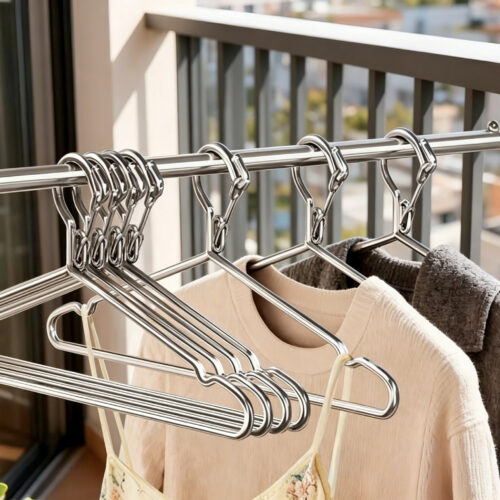
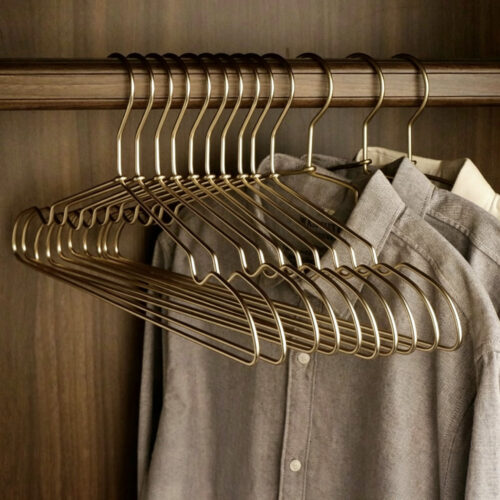
Surface defects are also common in bulk hanger orders. Plastic hangers may have burrs, injection marks, scratches or sharp edges. Metal hangers may have rough welding, unstable coating or rust risk. Wooden hangers may have dents, rough corners or uneven polishing. A clear appearance standard should be confirmed before mass production.
Packaging problems should not be ignored. Weak cartons, wrong packing quantity, missing barcode labels, unclear carton marks or poor inner protection can cause damage during transport and warehouse handling. For wooden, velvet, painted or logo hangers, better inner packing is often necessary.
Another issue is wrong size or structure. Hanger width, shoulder shape, bar length, clip position and hook type should match the approved sample. Even small changes can affect garment display. Buyers should confirm dimensions clearly in the quotation and sample approval stage.
To avoid these problems, buyers should provide complete order details, including material, size, color, logo, hook finish, clip style, packaging, quantity and destination. A clear reference photo, drawing or approved physical sample can help the supplier understand the exact requirement.
Quality inspection should be done before shipment. Useful QC points include material check, size measurement, surface finish review, hook strength test, clip tension test, logo position check, load-bearing test, packing quantity check and carton mark review. Third-party inspection can also be arranged if the order value is high or the buyer requires extra control.
Conclusion
Most hanger quality problems can be avoided with clear samples, detailed specifications and proper inspection before shipment. Wholesale buyers should not only compare unit price, but also check material, hook strength, clip tension, logo effect, surface finish and export packing. A reliable hanger supplier should help control these details before mass production, not after problems appear.